Permit Ready Pizza Oven Suppression for US Operators: AHJ Checklist
Permit Ready Pizza Oven Suppression for US Operators: AHJ Checklist
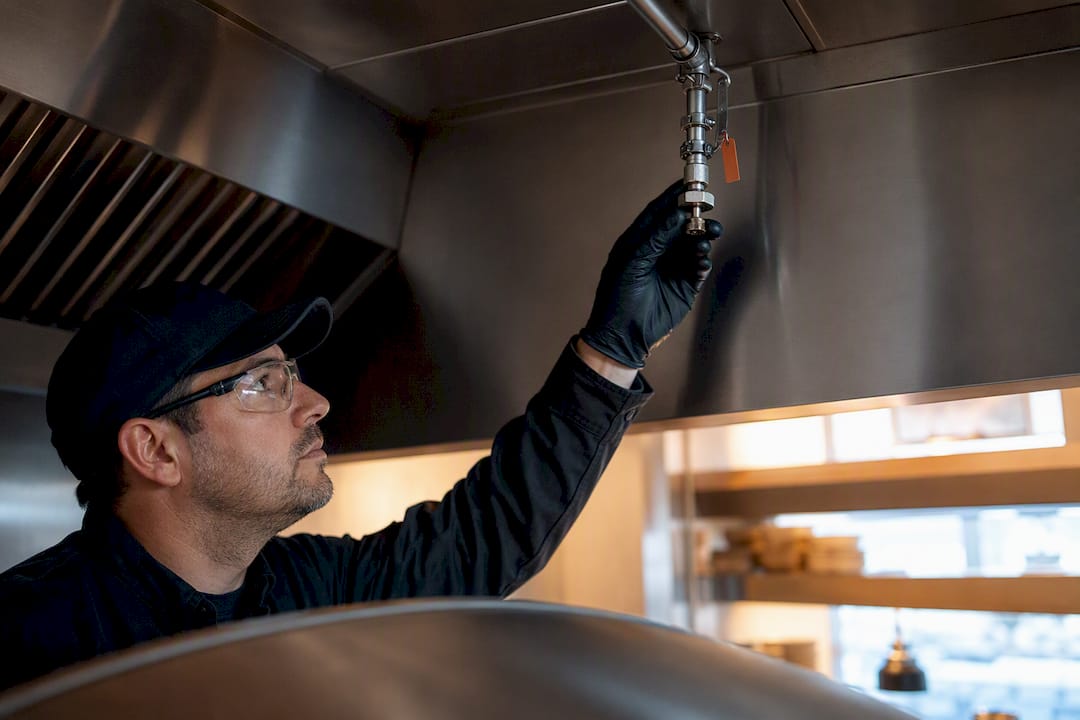
Not every pizza oven needs a fire suppression system, but most commercial ones do. The deciding factors are grease vapour output, appliance class and, ultimately, your local Authority Having Jurisdiction (AHJ). Before you buy or install, check your oven’s manufacturer spec sheet against NFPA 96, NFPA 86 and relevant UL testing data, such as an Ansul R-102 wet-chemical listing, then call your fire marshal before the equipment arrives.
TL;DR:
- Most commercial pizza ovens require fire suppression systems if they produce significant grease-laden vapor, especially for conveyor and gas deck ovens.
- Electric deck ovens with low emissions can qualify for exemptions from suppression requirements, but approval depends on local AHJ discretion.
- Proper classification of hood types—Type I for grease, Type II for heat and steam—must be confirmed early to avoid costly retrofits.
- Wood-fired and masonry ovens need specialized protection measures, including chimney spark arresters and suppression systems positioned for exhaust, not the firebox.
- Building relationships with the fire marshal before equipment installation reduces delays, emphasizes documented emissions data, and aligns expectations with local codes.
Table of Contents
- Fire suppression pizza oven requirements: when the codes apply
- Hood types and suppression systems for pizza ovens
- Wood-fired and masonry ovens need different protection
- Ventless hoods and pre-piped systems: what they can and can’t do
- Getting ready for the AHJ: paperwork and site checks
- Installation, maintenance and training that actually reduce risk
- How Vesuviano Forni supports compliance on US installations
- Why permit-ready beats code-perfect
- Sources
- FAQ
Fire suppression pizza oven requirements: when the codes apply
Whether your kitchen needs a suppression system comes down to one question the code writers care about: does the appliance produce grease-laden vapour? NFPA 96 governs ventilation and fire protection for commercial cooking operations, and it triggers a Type I hood with automatic extinguishing whenever grease vapour is present in meaningful quantity. Ovens tested to UL 710B or EPA Method 202 and shown to produce low grease emissions can qualify for an exception, which is why some electric deck ovens run without a hood at all.
NFPA 86 sits alongside NFPA 96 and classifies ovens and furnaces by heating method and hazard, addressing exhaust design, safety interlocks and, in some configurations, suppression needs specific to the appliance itself rather than the hood above it. A deck oven and a conveyor oven can sit under completely different rules even though both bake pizza. Conveyor pizza ovens are frequently treated as medium-duty appliances and commonly trigger Type I hood and suppression requirements, while a simple electric or gas deck oven often escapes that trigger unless it demonstrably produces grease-laden vapour.
None of this is decided in a vacuum. Your local fire marshal or building inspector, the AHJ, has final say, and interpretations vary between jurisdictions even when the underlying equipment is identical. One inspector’s field visit can override what a plan reviewer approved on paper.
Before your equipment order ships, work through this shortlist:
- Confirm whether your oven model has UL 710B or EPA 202 test data showing low grease emissions.
- Ask your AHJ directly whether they classify your oven type as requiring a Type I hood.
- Request the manufacturer’s installation and emissions paperwork in advance of your plan review meeting.
- Budget time for a pre-submittal conversation rather than assuming your permit will sail through.
Hood types and suppression systems for pizza ovens
Type I hoods handle grease-laden vapour and heat, and they are the ones code officials pair with automatic fire extinguishing systems. Type II hoods handle heat and steam only, with no grease component, which can allow some electric pizza ovens with low emissions to qualify for a Type II hood or no hood, depending on local authority approval. Getting this classification wrong at the design stage is one of the most expensive mistakes an operator can make, because retrofitting ductwork after installation costs far more than specifying it correctly the first time.
Wet-chemical suppression is commonly used for Type I hoods over pizza ovens. Ansul’s R-102 system is a well-known example: a UL-listed wet-chemical agent distributed through fixed piping to nozzles over the appliance, duct, and plenum. When the system detects a fire, it discharges the agent and usually shuts off fuel or power to the appliance through an interlock, which in many jurisdictions is required to prevent fire reignition.
Pre-piped hoods change the economics of installation. Many hood manufacturers now ship units with the suppression piping already routed through the hood body, ready for an authorised technician to connect nozzles, charge the tank and commission the system on site. This shortens field labour considerably, but it does not remove the requirement for a certified installer, typically an Ansul-authorised distributor, to complete, test and document the work before an AHJ or insurer will sign off.
Pro Tip: Ask your hood supplier whether the unit is “pre-piped” or “pre-plumbed” for suppression before you order. The terms sound interchangeable but the level of factory-installed readiness can differ, and it affects both your installation timeline and your final invoice from the suppression contractor.
A few practical notes by oven type:
- Gas deck ovens with visible flames and grease output generally require Type I hood coverage and suppression subject to local Authority Having Jurisdiction (AHJ) approval.
- Some electric deck ovens tested for low emissions may qualify for reduced ventilation requirements, depending on acceptance by the local Authority Having Jurisdiction (AHJ).
- Conveyor ovens are often classified as medium-duty appliances and typically require full Type I hood and suppression systems, though final determination rests with the local AHJ.
Wood-fired and masonry ovens need different protection
Solid-fuel appliances carry fire risks that gas and electric ovens simply don’t, and the guidance reflects that. Industry risk assessments on solid-fuel cooking point to embers, spark carry and fuel storage as the areas that demand the closest attention, alongside routine chimney and flue cleaning to control creosote and soot buildup.
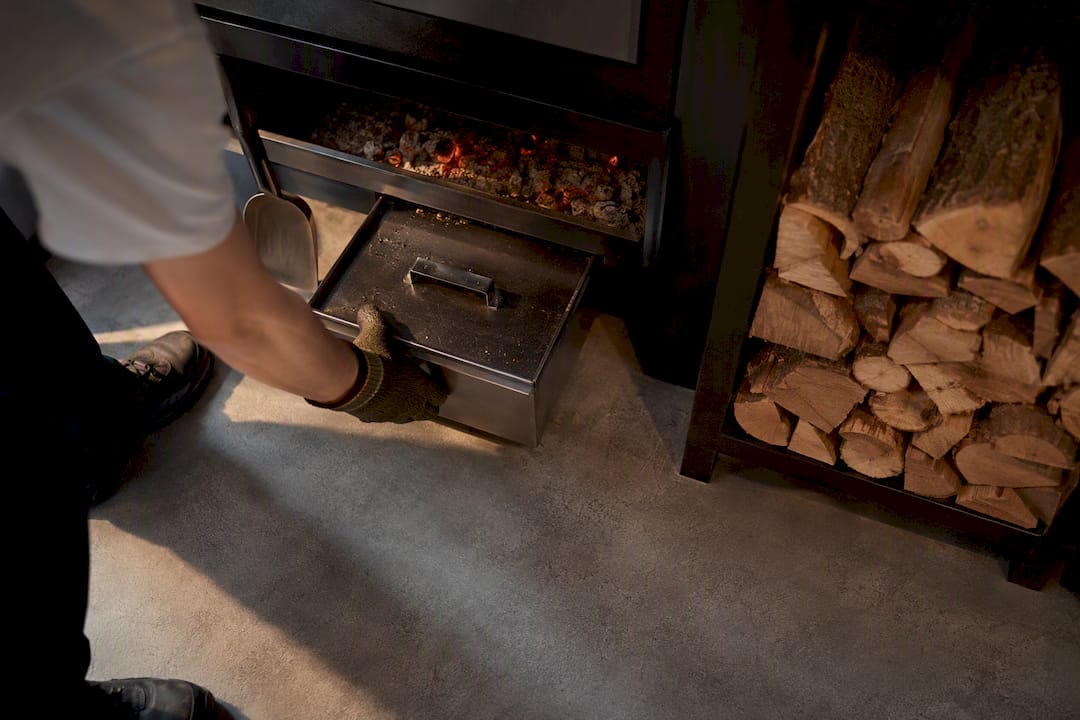
Here is where wood-fired ovens diverge sharply from gas or electric equipment: directing a standard wet-chemical nozzle straight into a masonry combustion chamber is widely discouraged. Interpretive guidance from fire code authorities has flagged the risk of discharging suppression agent directly into a masonry firebox, citing both construction constraints and the risk of a rapid pressure event inside an enclosed chamber. Trade discussion on wood-fired pizza oven protection reaches a similar conclusion: suppression strategy has to be planned with the AHJ and a specialist suppression technician rather than assumed from a standard wet-chemical playbook.
Practical protection for wood-fired and masonry ovens usually centres on:
- Spark arresters fitted to the chimney or flue termination.
- Hood and duct suppression positioned to protect the exhaust path rather than the firebox itself.
- Solid fuel storage kept a safe distance from the appliance and any open flame, per your local fire code and the manufacturer’s clearance guidance.
- Daily ash removal into metal containers, away from combustible materials.
Vesuviano Forni’s VesuvioBuono system addresses part of this equation by eliminating black soot emissions from wood combustion, which reduces the creosote buildup that drives much of the chimney fire risk in traditional wood-fired setups.
Ventless hoods and pre-piped systems: what they can and can’t do
Ventless, or recirculating, hoods filter cooking effluent internally and recirculate the air rather than exhausting it outdoors, which makes them attractive for sites where roof penetration or duct runs are impossible, think converted retail units or food trucks with limited roof access. These systems rely on UL 710B testing and, in many cases, EPA Method 202 data to demonstrate the filtration performs to a recognised standard. Manufacturer documentation for ventless units, such as the OVH-10 specification, shows how factory pre-piping for a wet-chemical suppression connection is now standard on many models, ready for field completion.
Acceptance still varies by AHJ. A ventless hood tested to UL 710B is not automatically approved everywhere, and some jurisdictions require additional documentation or a site-specific variance before sign-off.
- Filter replacement schedules are non-negotiable; a clogged filter degrades the tested performance the AHJ approved.
- Airflow monitoring and appliance interlocks need to stay functional, not just installed once and forgotten.
- Pre-piping saves field labour but still requires an authorised suppression installer to charge, test and certify the system before it counts as compliant.
Getting ready for the AHJ: paperwork and site checks
Walking into a plan review with the right paperwork saves weeks. Bring these documents to your pre-submittal meeting:
- Manufacturer spec sheets showing appliance BTU rating, grease emission data and any UL 710B or EPA 202 test results.
- Hood and duct shop drawings, including CFM ratings and makeup air calculations.
- Suppression system pre-piping details and the installer’s certification.
- Maintenance and cleaning logs if the equipment is already in use elsewhere (useful for chain operators moving equipment between sites).
- Photographs of the proposed chimney or duct run, particularly for wood-fired installations.
On-site, an inspector will want to see chimney height and clearance match the drawings, makeup air supply that actually offsets exhaust volume, and visible evidence of grease control practices around the appliance. Bringing test reports and a written operation control plan, covering cleaning frequency, fuel handling and staff responsibilities, gives the AHJ something concrete to approve rather than a verbal assurance. That single habit, arriving with documentation instead of asking the inspector to take your word for it, is what separates a smooth plan review from a stalled one.
Installation, maintenance and training that actually reduce risk
Compliance on paper and safety in practice are two different things, and the gap between them is usually maintenance discipline. Hire a certified suppression technician for installation and annual servicing; this is not a job for a general contractor, however capable. Confirm the interlock between the suppression system and the appliance’s fuel or power supply is tested and functioning, not just wired in.
- Clean hoods and ducts on a schedule matched to your grease load, monthly for heavy-use conveyor ovens is common, and keep the records.
- Log every suppression system inspection and recharge; insurers ask for this after a claim, not before.
- Train staff on the suppression system’s manual pull station location and function, on extinguisher class selection (Class K for kitchen grease fires), and on safe ash handling and daily fuel limits for wood-fired units.
- Keep grout and floor surfaces around the appliance clear of grease buildup; a professional kitchen cleaning routine reduces one of the more overlooked ignition pathways.
Pro Tip: Schedule your suppression system’s annual service to coincide with your hood cleaning contractor’s visit. Doing both together means duct grease levels are checked right when the suppression nozzles are inspected for line-of-sight coverage, catching two risks in one visit instead of two separate appointments months apart.
How Vesuviano Forni supports compliance on US installations
Compliance rarely starts with the fire marshal. It starts with the oven itself, and with whether the manufacturer gives you documentation an inspector can actually use. Vesuviano Forni’s technical consultancy team works alongside our on-site construction and installation service to supply the spec sheets, emissions data and installation drawings that plan reviewers ask for, whether the project involves a RealBosco, Sebastian or VesuvioBuono model.
Because these ovens are built by hand in Naples and often assembled or finished on site for US clients, coordination with installers helps ensure hood clearances, chimney routing and pre-piped hood connections match what the AHJ expects to see. For wood-fired projects, the VesuvioBuono line’s soot-reduction system gives operators a cleaner starting point for the chimney and creosote concerns inspectors focus on. Our team is at your disposal throughout, from the first specification conversation through to the final walk-through with your local fire authority, because a permit delay costs a business owner far more than a phone call would have.
Why permit-ready beats code-perfect
Most guidance on this topic reads like a code textbook, which is exactly the wrong register for an operator with a lease starting in six weeks. The academic version of this conversation asks whether your oven meets the letter of NFPA 96. The version that actually gets your kitchen open asks what your specific AHJ will accept, on paper, before your equipment arrives.
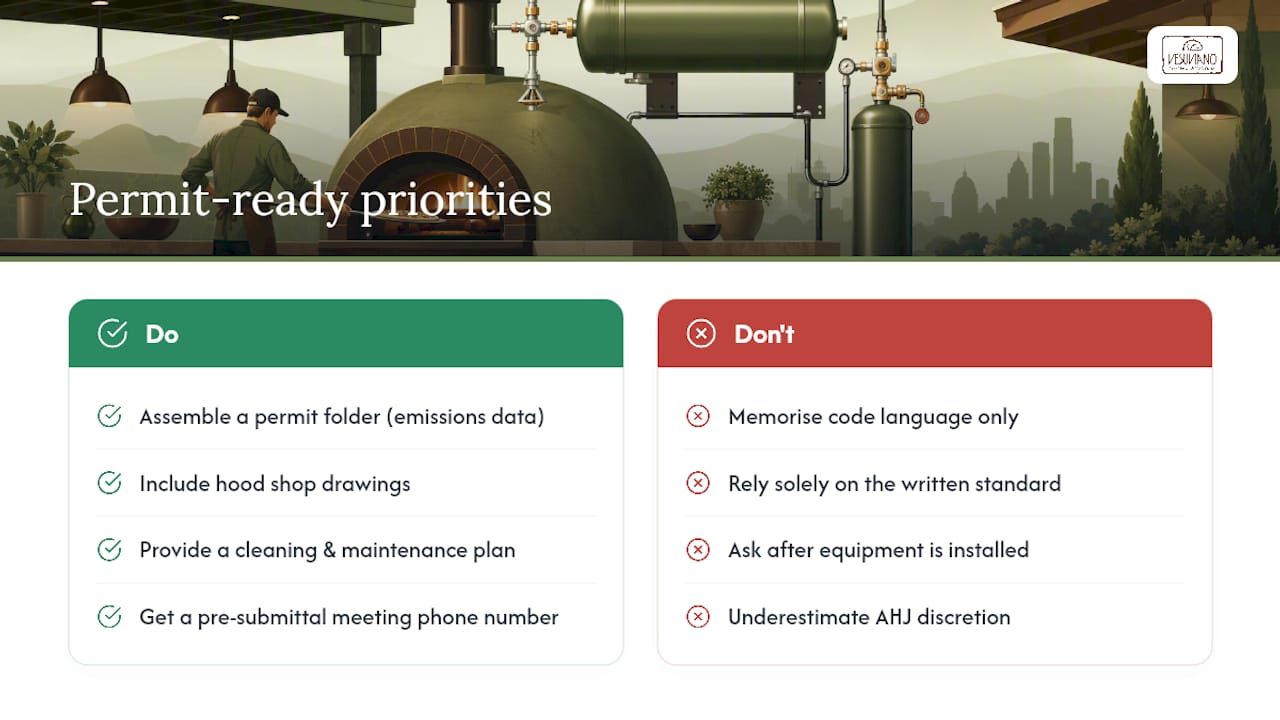
That distinction changes how you should spend your time. Rather than memorising code language, spend it building a folder: manufacturer emissions data, hood shop drawings, a written cleaning and maintenance plan, and a phone number for a pre-submittal meeting. Conventional advice tends to under-weight the AHJ’s discretion and over-weight the written standard, when in practice the standard is the starting point and the inspector’s judgement is the actual gate you need to pass through.
If there’s one thing operators consistently underestimate, it’s the value of asking the fire marshal a direct question before ordering equipment, rather than after it’s sitting in the kitchen. A five-minute conversation at the design stage saves the multi-week delay of a failed inspection and a hood retrofit nobody budgeted for.
— Bruno - Key Account & Export Manager
Sources
- NFPA 96 Standard for Ventilation Control and Fire Protection of Commercial Cooking Operations
- Solid Fuel White Paper
FAQ
Do pizza ovens need fire suppression?
It depends on the appliance and grease vapour output. Conveyor and gas deck ovens usually need a Type I hood with automatic suppression, while some electric deck ovens with documented low emissions may not, subject to your AHJ’s approval.
Are wood-fired pizza ovens banned in New York City?
Wood-fired ovens are not banned outright in New York City, but they face strict permitting, ventilation and fire safety requirements that vary by borough and building type, so operators need to confirm specifics with the local fire department and buildings department before installation.
What are the leading fire suppression system types used in US commercial kitchens?
Wet-chemical systems, with Ansul’s R-102 among the most widely recognised, are the standard choice for Type I hoods over pizza ovens and other grease-producing appliances, discharging through fixed piping and nozzles with an automatic fuel or power shutoff interlock.
Are wood-fired pizza ovens made in Italy?
Yes. Traditional Neapolitan wood-fired pizza ovens are built by artisans in the Naples area using techniques passed down over generations, and manufacturers like Vesuviano Forni export these handcrafted ovens to commercial kitchens internationally, including installation support for US operators.