Avoid Fines: NFPA 96 for U.S. Pizza Ovens and AHJ Sign Off
Avoid Fines: NFPA 96 for U.S. Pizza Ovens and AHJ Sign Off
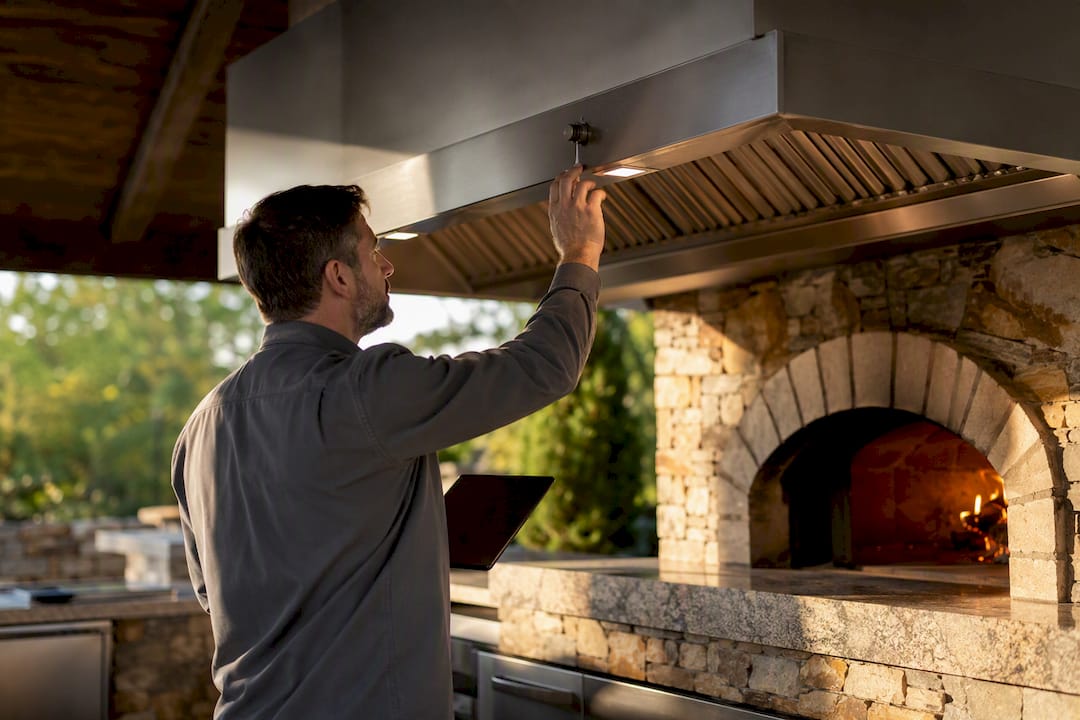
NFPA 96 governs ventilation and fire protection for every commercial cooking appliance that produces grease-laden vapour, and most pizza ovens fall squarely within that scope. In practice, this means a Type I hood in most cases, a certified suppression inspection at least every six months, and a hood-cleaning schedule tied to how much you cook. Some listed solid-fuel ovens qualify for direct venting instead, but only with written sign-off from your local Authority Having Jurisdiction.
TL;DR:
- Most pizza ovens require a Type I hood and certification inspections every six months, with cleaning frequency tied to cooking volume and fuel type.
- AHJs may require a full hood system even if a direct-vent chimney is UL-listed as an alternative, so plan and submit detailed venting plans beforehand.
- Regular professional cleaning and inspection documentation for hood, ductwork, and suppression systems are crucial to passing fire inspections.
- Proper placement of rooftop terminations, secure grease duct construction, and correct filter maintenance are essential to prevent fire hazards and satisfy clearance rules.
- Compliance is heavily dependent on accurate documentation, including UL listings, approved plans, service tags, and ongoing maintenance records.
Table of Contents
- What NFPA 96 covers and how it applies to your pizza oven
- Type I hood or direct vent: choosing the right ventilation route
- Hood, duct, and suppression cleaning: how often is enough
- Rooftop terminations, duct construction, and clearance rules
- Fire suppression systems and Class K extinguisher placement
- Documentation your fire marshal will actually ask for
- Cleaning grease and residue off a pizza oven the right way
- Keeping your oven itself compliant, not just the hood above it
- Installing and maintaining grease filters correctly
- Ventilation airflow rates NFPA 96 expects from your hood system
- How fuel type changes your compliance path
- The fire hazards specific to pizza ovens that inspectors flag most
- Vesuviano Forni’s perspective on getting compliance right the first time
- Get your venting plan right before you order the oven
- Sources
What NFPA 96 covers and how it applies to your pizza oven
NFPA 96 is the standard that dictates ventilation control, fire protection, installation, and ongoing inspection for commercial cooking equipment across the United States. It doesn’t sit on a shelf as theory. Most state and municipal fire codes adopt it directly, and your local fire marshal enforces it during plan review and routine inspection visits.
Every jurisdiction filters the standard through its own Authority Having Jurisdiction, so before you install anything, submit your venting plan to that office rather than assuming a design that worked in another county will pass locally.
Three chapters matter most for pizza oven operators:
- Chapter 7 covers ductwork, clearances, and rooftop termination.
- Chapter 11 sets out inspection, cleaning, and maintenance frequency.
- Chapter 14 addresses solid-fuel cooking operations, including wood-fired ovens.
Knowing which chapter governs your specific setup saves weeks of back-and-forth with your inspector.
Type I hood or direct vent: choosing the right ventilation route
Pizza ovens generate more grease-laden vapour than most operators expect. Melting cheese, oil-brushed dough, and high dome temperatures all release particulates that NFPA 96 treats the same way it treats a fryer line. That’s why a Type I hood is the default requirement for gas, electric, and most wood-fired commercial ovens.
Some listed solid-fuel ovens are the exception. A UL-listed direct-vent chimney can, in certain installations, replace a full hood system, but that listing is a starting point rather than a guarantee. Many fire marshals still require a Type I hood regardless of what the manufacturer’s documentation says, because the final judgement call belongs to the AHJ, not the equipment maker.
Before you commit to a direct-vent approach:
- Request the manufacturer’s UL listing documentation (commonly referencing UL 2162 or UL 737 standards for cooking appliances and venting systems).
- Draft a full venting plan, including drawings and clearances, and submit it to your AHJ before ordering equipment.
- Budget time and money for the possibility that the AHJ requires a Type I hood anyway.
Pro Tip: Have your oven supplier prepare the listing documents and venting plan alongside your order. A manufacturer that has already navigated AHJ approvals elsewhere in the country will flag likely objections before your inspector does.
If you’re weighing a low-emission or ventless-adjacent build, our ventless pizza oven guide walks through how AHJs typically treat those claims.
Hood, duct, and suppression cleaning: how often is enough
NFPA 96 doesn’t leave cleaning frequency to guesswork. Section 11.6.1 ties the schedule directly to how much you cook and what fuel you burn. Cleaning frequency tiers apply based on operation type: solid-fuel operations require the most frequent cleaning, followed by high-volume cooking, moderate-volume operations, and low-volume or seasonal kitchens the least frequent cleaning.
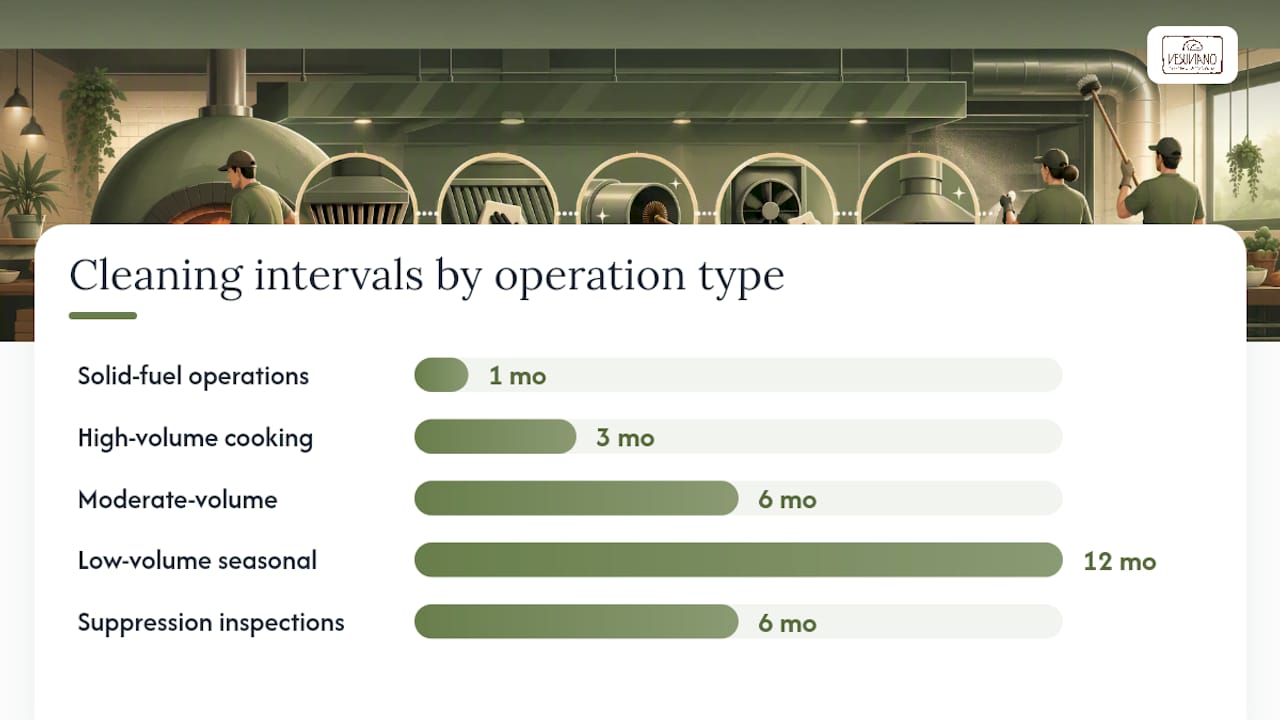
These tiers apply to the hood, ductwork, and exhaust fan, and cleaning must strip the interior surfaces to bare metal, not just wipe visible grime.
Suppression is a separate clock entirely. NFPA 96 §11.4 requires a certified professional to inspect your fire suppression system at least every six months, regardless of how often you clean the hood. Miss that inspection window and you’re out of compliance even if the duct itself is spotless.
Only a certified exhaust-cleaning company should perform hood and duct cleaning, and every visit needs a dated certificate. Keep these on-site; an inspector who asks and gets a shrug will usually flag the kitchen for follow-up. Operators frequently fail inspections not because the equipment is dirty, but because the paperwork proving it was cleaned has gone missing.
Rooftop terminations, duct construction, and clearance rules
Where your exhaust terminates matters as much as how it’s built. Rooftop outlets need minimum clearance from adjacent structures, roof surfaces, and air intakes, and inspectors check this before they check almost anything else on the roof.
- Grease duct construction must meet listed standards or use approved alternatives such as fire barrier duct wrap where clearances are tight.
- A listed grease collection and drainage system is required to catch runoff before it pools on the roof or drips down the exterior wall.
- Horizontal separation from property lines and neighbouring air intakes follows the same logic as vertical clearance: give grease-laden exhaust room to disperse before it reaches anything flammable or anyone breathing near an intake vent.
If your site genuinely can’t meet standard clearances, that’s not automatically a dead end. Present the AHJ with drawings, propose a compensating measure such as a listed fire damper at the duct collar or a raised termination height, and request written acceptance before you build. Our grease duct routing guide covers how duct path decisions ripple into hood sizing and rooftop layout.
Fire suppression systems and Class K extinguisher placement
Any kitchen operating under a Type I hood needs an automatic suppression system, and that system must be mechanically or electronically linked to shut down fuel and HVAC when it activates. This isn’t a bolt-on feature; it’s the core safety mechanism NFPA 96 builds the whole hood requirement around.
Portable extinguishers sit alongside the automatic system, not instead of it:
- Class K extinguishers belong within roughly 30 feet of any deep-fat fryer or similarly high-heat cooking appliance, pizza ovens included where grease accumulation is significant.
- Staff should visually check extinguishers monthly for pressure, obstruction, and physical damage.
- A certified technician must service each unit annually, per NFPA 10.
When you sign a suppression service contract, confirm it explicitly covers the semi-annual certified inspection NFPA 96 requires, with dated tags left on-site after every visit. A contract that only promises “annual service” leaves you exposed for the other half of the year.
Documentation your fire marshal will actually ask for
Most inspection failures come down to paperwork, not equipment condition. Keep these documents together, physically or digitally, and update them the day service happens:
- Suppression inspection tags from the last two visits.
- Hood and duct cleaning certificates, dated and matching your required cleaning tier.
- Manufacturer UL listing papers for your oven and venting equipment.
- Your approved venting plan and any written AHJ approvals or variances.
- Extinguisher service tags, current within the past 12 months.
| Document | Retention | Who provides it |
|---|---|---|
| Suppression inspection tag | Keep last 2 visits on-site | Certified suppression technician |
| Hood/duct cleaning certificate | Keep last 12 months | Certified exhaust-cleaning company |
| UL listing documentation | Keep permanently on file | Oven/equipment manufacturer |
| AHJ venting approval letter | Keep permanently on file | Local fire marshal/AHJ |
If an inspection turns up a gap, most AHJs will accept a corrective action plan with a firm deadline rather than an immediate shutdown, provided the issue isn’t an active fire hazard. Document the fix, get it re-inspected, and keep that new certificate on top of the file. Our pizza oven safety procedures checklist breaks daily and weekly routine checks down further.
Cleaning grease and residue off a pizza oven the right way
Pizza ovens accumulate grease differently to fryers. Instead of pooling oil, you get baked-on cheese char, flour dust that turns sticky under heat, and fine soot from wood or gas combustion clinging to duct interiors. Standard degreaser wipes handle the cosmetic surface but rarely touch what’s built up inside the hood plenum or duct run.
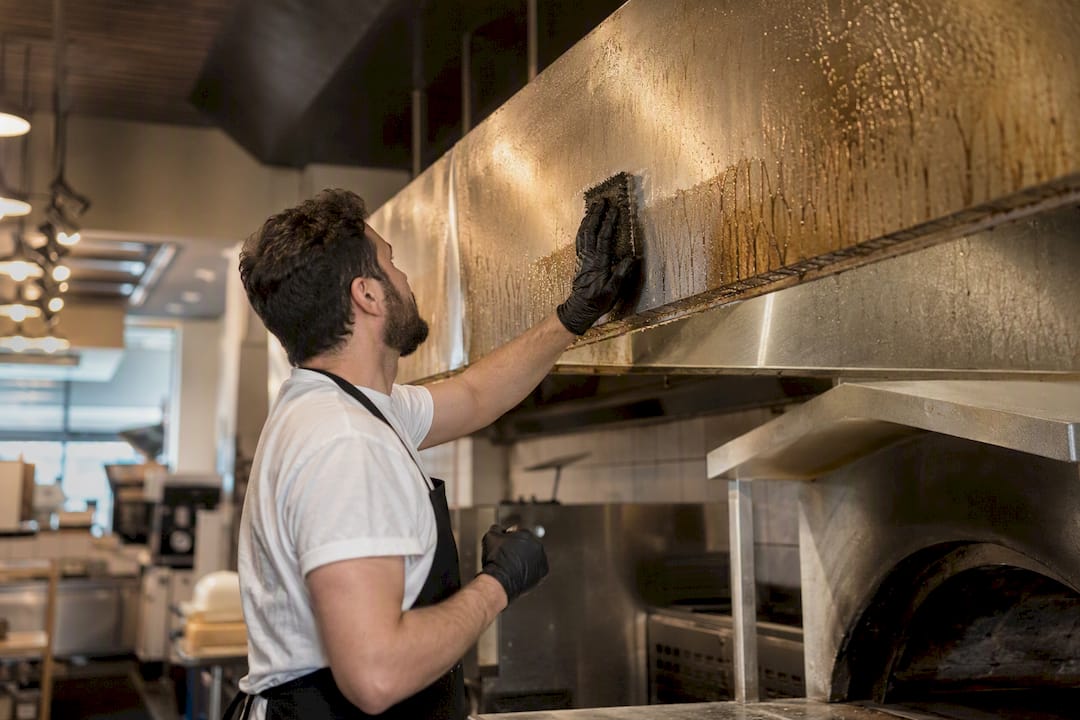
A proper cleaning pass, carried out by your certified exhaust-cleaning contractor, strips the hood interior, filters, ductwork, and fan housing down to bare metal. Anything less than bare metal isn’t compliant, even if the surface looks clean to the eye.
Between professional visits, your own team can manage a few things daily: wipe down the hood’s exterior and filter housing, empty grease trays before they overflow, and check for any obvious char buildup around the oven mouth where flour and cheese debris settles fastest. Never use a wire brush or abrasive pad on stainless surfaces; it scratches the finish and creates more places for grease to cling.
Wood-fired ovens bring an extra variable: creosote and fine ash travel further into the duct system than typical cooking grease, which is part of why NFPA 96 sets a monthly cleaning tier for solid-fuel operations rather than the semi-annual tier moderate-volume kitchens get. If your oven runs hotter or longer hours than a typical pizzeria, tell your cleaning contractor. They may recommend more frequent visits even within your assigned tier, and that recommendation is worth documenting in case an inspector asks why you exceeded the minimum.
Keeping your oven itself compliant, not just the hood above it
Compliance conversations tend to focus entirely on the hood and duct, but the oven underneath needs its own maintenance discipline. A poorly maintained oven produces more grease-laden vapour than a well-tuned one, which pushes your hood and suppression system to work harder than they should.
For gas and electric ovens, check burner and heating element function regularly; an inefficient burn produces more particulate exhaust. For wood-fired units, manage fuel quality closely: wet or resinous wood burns dirtier and deposits more creosote in your duct run, shortening the interval before your next cleaning is genuinely necessary rather than just scheduled.
Door seals and dome insulation matter more than most operators realise. A gap that lets heat and vapour escape around the mouth of the oven, rather than up through the hood capture area, undermines the whole ventilation design NFPA 96 assumes you have working correctly.
A few habits worth building into your weekly routine:
- Inspect the oven mouth and flue connection point for cracks or gaps monthly.
- Confirm the hood is actually capturing vapour at the oven, not just near it. Smoke-test if you’re unsure.
- Log fuel type and quantity for wood-fired units, so you have a record if your AHJ questions your cleaning tier.
Manufacturer guidance matters here too. Our pizza oven installation requirements guide covers how oven placement and clearance decisions made at installation continue to affect maintenance years later.
Installing and maintaining grease filters correctly
Grease filters are the first line of defence between your oven and the duct system, and they’re also one of the most commonly neglected components in a pizza kitchen. Baffle filters, the standard for Type I hoods, need to sit correctly angled and fully seated in their brackets. A filter installed upside down or gapped at the edges lets unfiltered vapour bypass the capture system entirely, which defeats the purpose of having a Type I hood in the first place.
Filters should come out for cleaning at least weekly in most pizza operations, more often for wood-fired ovens running high volume. A commercial dishwasher or a dedicated degreasing sink handles most filter cleaning, but check for warping or damaged mesh each time; a compromised filter needs replacing, not just cleaning.
Watch for these signs a filter needs attention sooner than scheduled:
- Visible grease dripping from the filter edge rather than draining into the collection tray.
- A noticeable increase in smoke or haze near the oven mouth during service.
- Discoloured or warped filter panels that no longer seat flush in the bracket.
Keep spare filters on hand. A kitchen running service with a missing or damaged filter is operating outside its approved ventilation design, and that’s exactly the kind of gap an inspector notices immediately.
Ventilation airflow rates NFPA 96 expects from your hood system
NFPA 96 doesn’t set a single universal airflow figure for every kitchen; the required exhaust rate depends on hood type, size, and the specific cooking appliances underneath it, calculated according to the standard’s own methodology and cross-referenced against local mechanical code. What operators need to understand is the principle behind the number: your exhaust system has to move enough air to capture the vapour your oven produces, with enough margin to account for door openings and kitchen traffic disrupting airflow.
Undersized exhaust is one of the most common reasons a kitchen passes visual inspection but fails a smoke or capture test. If your pizza oven runs hotter or produces more vapour than the equipment your hood was originally sized for, the airflow rate calculated at installation may no longer be adequate.
Makeup air matters just as much as exhaust volume. A kitchen pulling more air out than it replaces creates negative pressure that can pull vapour past the hood’s capture area instead of up into it, and in extreme cases can affect door operation or backdraft other combustion appliances in the building. Any time you swap in a larger or hotter-running oven, have your mechanical contractor recalculate both exhaust and makeup air rates rather than assuming the original hood sizing still holds.
How fuel type changes your compliance path
Fuel choice shapes almost every downstream compliance decision, from hood requirement to cleaning frequency.
Gas ovens generally require a Type I hood and follow the standard cleaning tiers based on volume. They’re the most straightforward path through NFPA 96 because gas combustion produces relatively predictable, well-understood exhaust characteristics that hood systems are designed around.
Electric ovens can, in some cases, produce less grease-laden vapour than gas or wood, particularly models with enclosed heating elements. That said, “electric” doesn’t automatically mean “no hood required.” The AHJ still evaluates based on what the food itself releases, not just the heat source, so a high-volume electric pizza operation with heavy cheese and topping turnover may still need full Type I ventilation.
Wood-fired ovens face the strictest cleaning cadence under NFPA 96 (monthly, per §11.6.1) and carry the extra layer of Chapter 14’s solid-fuel provisions. They also have the narrowest path to a direct-vent alternative, and even then, approval hinges entirely on your local AHJ rather than the manufacturer’s listing alone.
Combined gas/wood ovens, increasingly common in commercial kitchens wanting flexibility, typically get evaluated under whichever fuel produces the more demanding compliance profile, which in practice means the wood-fired provisions usually govern.
The fire hazards specific to pizza ovens that inspectors flag most
Pizza ovens create a few hazard patterns that differ from a standard fryer or grill line, and inspectors who’ve seen enough of them know exactly where to look first.
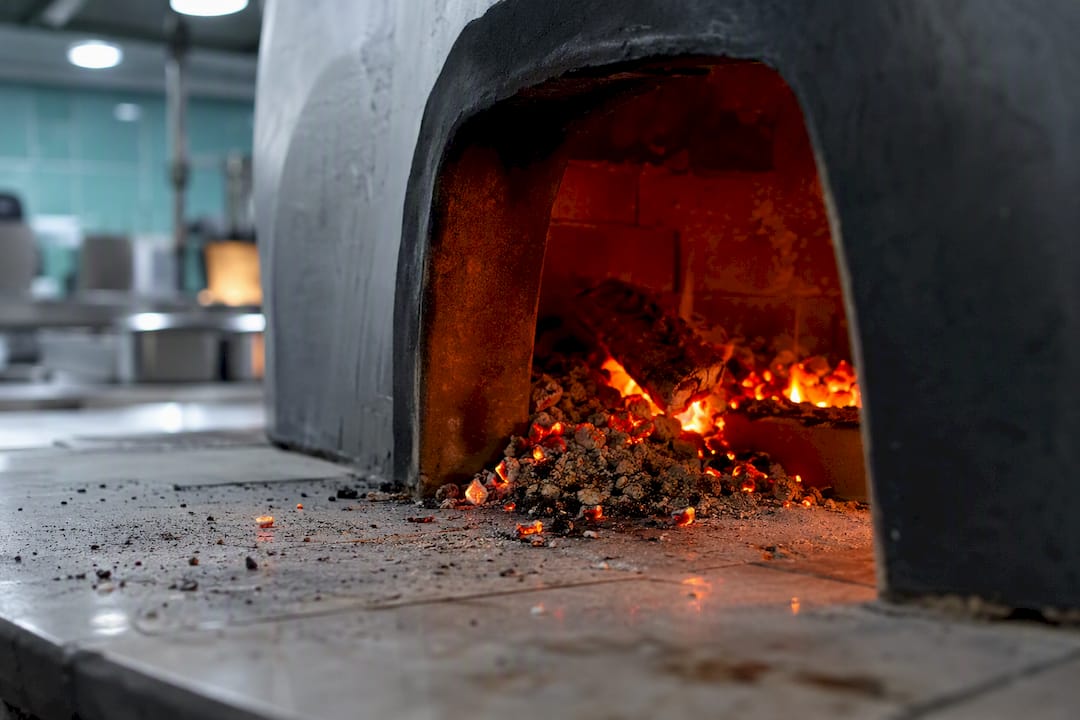
High dome temperatures near an oven mouth, often exceeding what a general kitchen hood was calibrated for, can accelerate grease buildup inside the capture area faster than the assigned cleaning tier assumes. Wood ash and ember spillage, particularly during loading and unloading with a pizza peel, present an ignition risk if combustible material sits too close to the oven mouth. Creosote accumulation in wood-fired duct runs burns hotter and faster than typical grease deposits if it ignites, which is precisely why the monthly cleaning tier exists for solid fuel.
Improperly sealed or aged door gaskets let heat and vapour escape around the sides of the hood’s capture zone rather than straight up into it, quietly undermining ventilation performance while looking fine from the outside. Overloaded extension cords or heat lamps near electric ovens, added informally by staff to speed up proofing or holding, create hazards that have nothing to do with the oven itself but sit close enough to complicate an inspection.
The pattern across all of these: pizza ovens run hotter and less predictably than most other commercial appliances, and NFPA 96’s requirements around suppression, hood capture, and cleaning frequency exist specifically to compensate for that.
Vesuviano Forni’s perspective on getting compliance right the first time
Compliance problems rarely come from bad ovens. They come from ventilation plans built after the equipment order, not before. At Vesuviano Forni, we treat the venting plan as part of the build itself, supplying UL and listing documentation alongside technical drawings so your AHJ conversation starts with answers rather than open questions.
On-site assembly support matters more than most first-time operators expect; a manufacturer present during installation catches clearance and duct-routing issues before they become inspection failures. For operators concerned about soot and emissions, our VesuvioBuono® system reduces black soot output from wood-fired cooking, though AHJ approval for venting is still required regardless of the oven’s emissions profile.
— Bruno - Key Account & Export Manager
Get your venting plan right before you order the oven
There are other ways to approach this: hire a mechanical engineer independently, or work through hood specification with a generic equipment dealer who sells ovens but not the compliance conversation around them. Vesuviano Forni takes a different route. We build the technical consultancy and venting plan support into the oven purchase itself, so you’re not managing three separate vendors to get one compliant kitchen.
Our team prepares UL listing documentation, works through your venting plan alongside your AHJ, and supports on-site assembly so installation matches what was approved on paper. If you’re planning a new pizza program or replacing an ageing oven, gather your current hood specifications, rough kitchen layout, and expected cooking volume, then request a site assessment through our Neapolitan pizza oven range. We’ll work from there to match the oven, the venting route, and the paperwork your fire marshal will actually want to see.
Sources
- Kitchen hood fire suppression: what every restaurant and commercial kitchen needs to know — Florida Fire Solutions
- Commercialkitchenfire
- NFPA 96 — Standard for Ventilation Control and Fire Protection of Commercial Cooking Operations — NFPA LiNK®
- NFPA 96 and your commercial cooking operation — Hoodmart blog