Vesuviano Forni: Pro Pizza Oven Lead Time & Checklist, Stock in 2 wks
Vesuviano Forni: Pro Pizza Oven Lead Time & Checklist, Stock in 2 wks
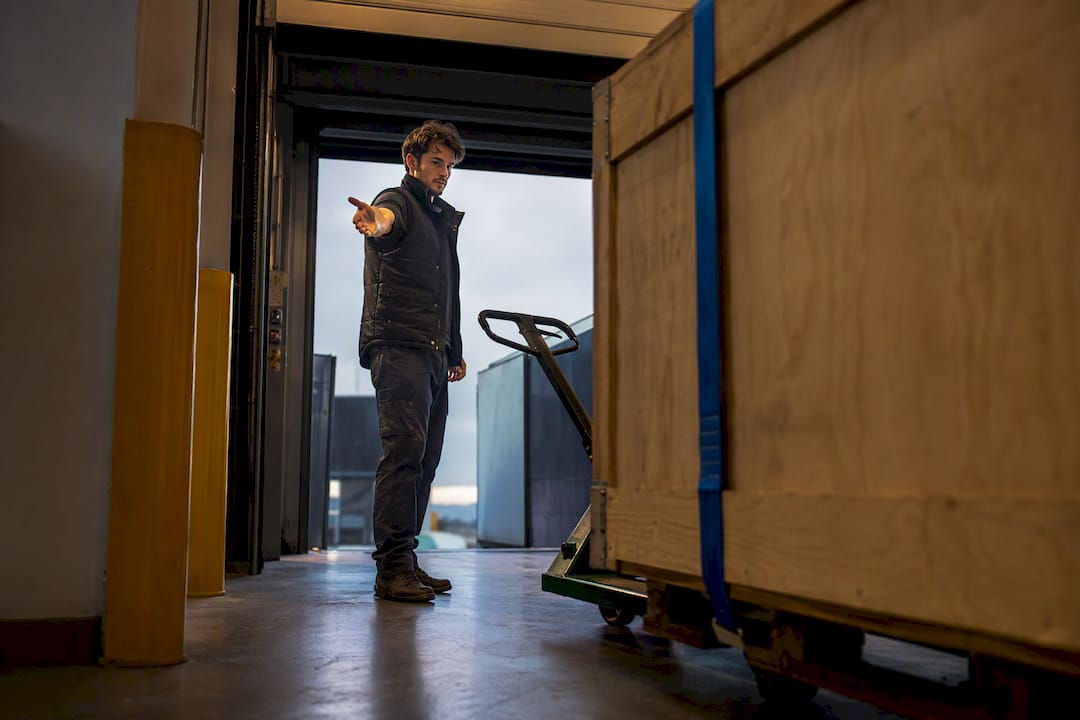
Most stock pizza ovens ship within two weeks and arrive within 2 to 12 business days after that, while custom-built or made-to-order ovens can add several weeks to that timeline. The one thing to do now: confirm your deposit or payment status with your supplier and give them a direct delivery contact number, since freight carriers cannot schedule dispatch without one.
TL;DR:
- Most stock pizza ovens ship within two weeks of order confirmation, while custom-built ovens can take 2 to 12 weeks or longer before shipment.
- Shipping transit typically takes 2 to 12 business days via LTL freight, with larger ovens requiring additional coordination and potentially higher charges like liftgate or residential fees.
- Delivery scheduling depends on providing a mobile contact and site access details, with proper inspection required before signing for any damages or accepting the delivery.
- Delivery is not installation; additional time for utility connections, curing for wood-fired models, and site preparation must be factored into the timeline.
- Working with a single manufacturer for production, logistics, and installation support reduces surprises and ensures a clearer, more predictable delivery schedule.
Table of Contents
- Order-to-ship lead times: stock, custom and seasonal factors
- Shipping transit: freight types, typical transit days and what to expect from carriers
- Receiving and delivery scheduling: what the freight dispatcher will ask and how to prepare
- Site preparation and installation timeline: scheduling labour after delivery
- Manufacturer logistics note: export, customs and project support
- What buyers get wrong about delivery timing
- Getting a predictable delivery schedule from Vesuviano Forni
- Sources
Order-to-ship lead times: stock, custom and seasonal factors
The phrase “pizza oven lead time” actually covers two separate waits, and confusing them is the single biggest source of frustration among first-time buyers. There is the time your supplier needs before the oven leaves the workshop or warehouse, and there is the transit time the carrier needs once it does. Understanding both lets you set a realistic opening date rather than a hopeful one.
Order processing covers payment confirmation, order entry and allocation of stock or production slots. Production, for anything built to order, involves the actual construction, curing (for masonry ovens especially), quality checks and finally staging for shipment. Each phase adds real days, not padding.
- Stock ovens: typically ship within 48 hours to 2 weeks of a confirmed order, since the unit already exists and only needs packing and carrier booking.
- Made-to-order or custom ovens: commonly take 2 to 12 weeks or more before they even ship, since production time depends on materials curing, finish work and any bespoke sizing.
- Peak season and holidays: expect extensions to both windows, particularly around spring and early summer when hospitality openings cluster and freight carriers run tighter capacity.
- Deposit timing: many manufacturers only release an oven to production or to the shipping dock once a deposit or full payment clears, so a delayed wire transfer delays everything downstream.
Supply-chain disruptions, whether a refractory material shortage or a carrier capacity crunch, can stretch any of these windows further. Build a buffer into your opening date rather than working backwards from it.
Shipping transit: freight types, typical transit days and what to expect from carriers
Once an oven leaves the shipper, how it moves depends almost entirely on its size and weight. Most commercial pizza ovens travel by LTL (less-than-truckload) freight, since they are too heavy and bulky for standard parcel carriers but rarely fill an entire trailer on their own.
Typical transit windows: LTL freight shipments within the contiguous United States generally take 2 to 12 business days, depending on distance between origin and destination and which carrier handles the route.
Smaller components or accessories sometimes ship separately via parcel carrier in 2 to 5 business days, while the oven itself moves on a truck. Very large or exceptionally heavy ovens, including some rotating and traditional dome models, may require a flatbed or specialised carrier rather than a standard LTL trailer, which usually adds coordination time but not necessarily transit days.
A few extra charges catch buyers off guard:
- Residential delivery fees, charged when the drop-off address is not a commercial dock.
- Remote-area surcharges, applied when the delivery point sits far from a carrier’s regular route.
- Liftgate fees, which apply whenever the site has no loading dock or forklift access. Ask about this at order time, not delivery day.
Receiving and delivery scheduling: what the freight dispatcher will ask and how to prepare
Freight carriers do not simply turn up. A dispatcher will call ahead to book an appointment window, and that call depends entirely on having a working mobile number on file. Miss that call and your delivery slips to the next available slot, sometimes days later.
- Provide a direct mobile number and a named site contact who will actually be present, not a general office line.
- Confirm at order time whether you need liftgate, curbside, or dock delivery, and flag any site restrictions such as narrow gates or steep driveways.
- On arrival, inspect the crate or pallet before signing anything. Photograph the packaging from multiple angles and note any visible damage directly on the delivery paperwork.
- If you spot damage, write “subject to inspection” on the bill of lading rather than signing it clean. A clean signature can void a damage claim entirely.
- If damage is significant, you can refuse delivery, but contact your supplier immediately so a replacement or repair process starts the same day.
Pro Tip: Ask your supplier for the delivery window in writing by email, not just a verbal confirmation. If the carrier’s arrival slips, a written record makes rebooking installation labour far less stressful.
Site preparation and installation timeline: scheduling labour after delivery
Delivery day is not installation day, and treating them as the same event is where most schedules go wrong. Once the oven is offloaded and positioned, you still need utility connections, commissioning checks and, for wood-fired and rotating models, a curing or seasoning period before full-temperature use.
- Offload and position the oven using a forklift or pallet jack, since these units routinely weigh several hundred kilograms even before the base and flue are added.
- Complete gas, electric or ventilation connections according to local code before booking any commissioning inspection.
- Leave a buffer of at least a few days between delivery and your installer’s arrival, so you have time to inspect the oven properly first and confirm nothing was damaged in transit.
- If delivery slips, notify your installer immediately. Rebooking a contractor’s crew is far easier with two days’ notice than two hours’.
Access equipment matters more than most buyers expect. A site without dock access or a clear path for a pallet jack needs that flagged well before the truck arrives, not discovered on the day.
Manufacturer logistics note: export, customs and project support
Bruno, Key Account & Export Manager at Vesuviano Forni, notes that international orders carry a different rhythm to domestic stock purchases. Export projects add customs clearance, freight booking with built-in buffers, and coordination between the workshop and the receiving site, all of which a dedicated project manager typically handles end to end rather than leaving the buyer to chase separate parties.
Custom builds, whether a traditional wood-fired dome or a low-emission model, run on a production calendar rather than a shipping calendar, so the lead time conversation starts earlier and looks different from a stock purchase.
A few details speed things along on our side:
- A confirmed site contact and mobile number for delivery scheduling.
- Photographs of the delivery access point, including doorways, gates and any turning radius constraints.
- Measurements of overhead clearance and floor load capacity where the oven will be positioned.
For a project-specific estimate, reach out directly rather than relying on general timelines.
What buyers get wrong about delivery timing
The most common mistake is booking installation labour before the oven physically arrives, based on an estimated ship date rather than a confirmed one. The second is assuming residential delivery works the same way as commercial dock delivery. It rarely does, and the liftgate fee often comes as a surprise. The fix is simple: confirm liftgate needs at order time, hand over a direct mobile contact, and get your delivery window in writing before you book anyone else’s time.
— Bruno - Key Account & Export Manager
Getting a predictable delivery schedule from Vesuviano Forni
Vesuviano Forni removes the guesswork that trips up so many first-time buyers by managing production, international logistics and installation support through a single point of contact rather than a chain of separate vendors.
When you order from a professional Neapolitan oven manufacturer, you typically get a production window agreed upfront, a single account manager tracking your shipment from the workshop to your site, and handling of customs clearance for export orders. That single-contact structure is precisely what prevents the delivery surprises covered above, since the same person coordinating your freight booking is also the person who answers when your access photos or site measurements are needed. Browse the Neapolitan oven range or the rotating oven models to see current options, then contact our team for a written delivery schedule and project quote tailored to your opening date.
Sources
For immediate action, the receiving checklist is the one to read before your delivery date arrives.